Table of Contents
- Introduction to Strategies for Long Term Business Success
- Understanding Long-Term Business Success
- Case Study Overview: Real-World Applications
- Strategy 1: Customer-Centric Approach
- Strategy 2: Robust Financial Management
- Strategy 3: Innovation and Adaptation
- Strategy 4: Employee Engagement and Development
- Strategy 5: Sustainable Growth Planning
- Comparison of Key Strategies
- Key Takeaways
- FAQs
- Conclusion
Introduction to Strategies for Long Term Business Success
When you aim for sustainable growth, implementing effective strategies for long term business success is essential. In this article, you will explore proven approaches that help businesses thrive over years and decades. Whether you are starting a new venture or seeking to improve an established company, understanding these strategies will guide your decision-making and operational focus in 2026 and beyond.
Understanding Long-Term Business Success
Long-term business success goes beyond short-term profits. It involves building resilience, fostering innovation, maintaining customer loyalty, and managing resources wisely. You must balance growth ambitions with risk management and adapt to market changes while keeping your core values intact.
By focusing on these elements, you ensure your business remains competitive and relevant in the evolving global marketplace. External resources like the Federal Reserve provide economic insights that can help you anticipate financial trends impacting your business.
Case Study Overview: Real-World Applications
To illustrate effective strategies for long term business success, consider a scenario where a mid-sized manufacturing firm faced declining sales due to emerging competitors and changing customer preferences. By strategically implementing customer-focused innovations, financial restructuring, and employee training, the company reversed the trend and achieved sustainable growth within three years.
This case exemplifies how adopting multiple strategies in concert can create a robust foundation for enduring success.
Strategy 1: Customer-Centric Approach
Putting your customers at the center of your business decisions is fundamental. You need to consistently gather feedback, personalize services, and anticipate market needs. This approach builds loyalty and drives repeat business.
- Conduct regular surveys and use analytics to understand customer behavior.
- Develop tailored products and services based on customer insights.
- Enhance customer service channels for faster, more effective support.
By focusing on customers, you ensure your offerings remain relevant and competitive.
Strategy 2: Robust Financial Management
Strong financial controls and planning are critical for long-term success. You should manage cash flow prudently, minimize costs without compromising quality, and plan investments strategically.
Here’s an ordered list of essential financial management steps:
- Establish a detailed budgeting process aligned with your strategic goals.
- Monitor cash flow regularly to avoid liquidity issues.
- Analyze financial statements to identify cost-saving opportunities.
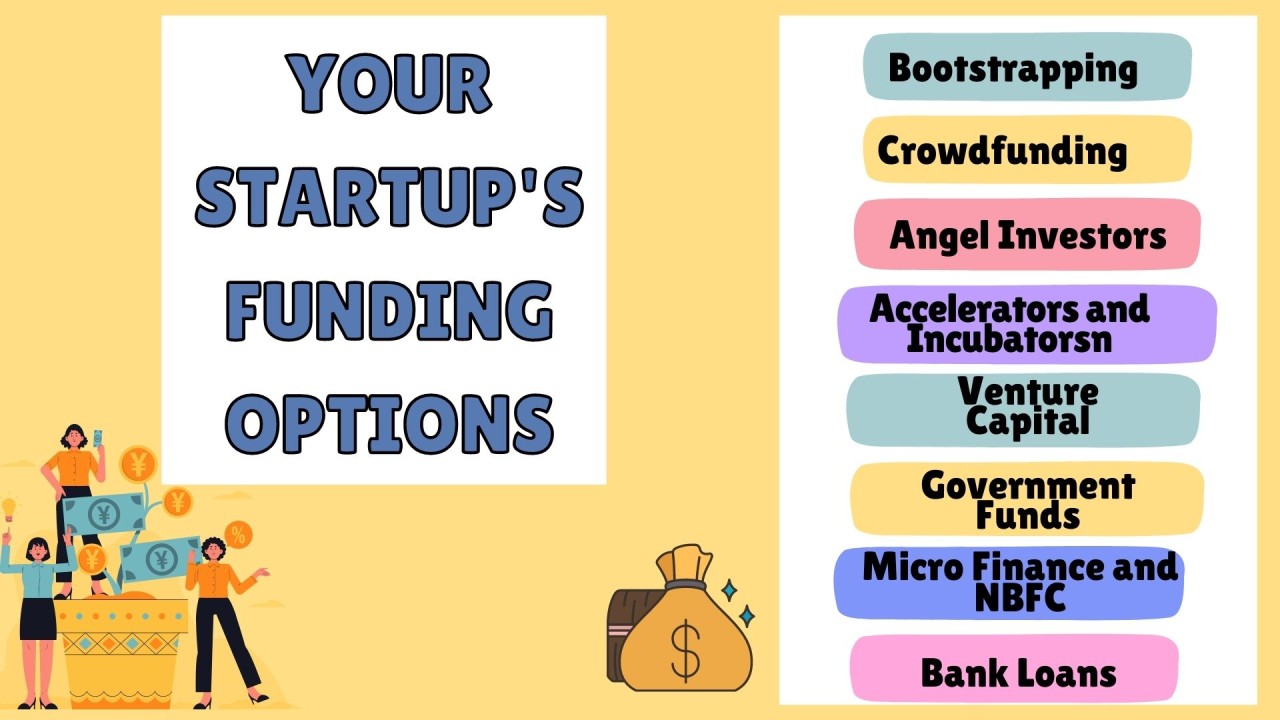
- Secure diverse funding sources, considering both debt and equity options.
- Plan for tax optimization and compliance using authoritative sources like Investopedia.
Effective financial management helps you weather economic fluctuations and invest in growth opportunities confidently.
Strategy 3: Innovation and Adaptation
Markets evolve rapidly. To maintain relevance, you must foster a culture of innovation and be willing to adapt your products, services, and processes. Embracing technology and new business models can give you a competitive edge.
Consider investing in research and development, encouraging creative problem-solving among your team, and staying informed about industry trends.
Strategy 4: Employee Engagement and Development
Your employees are your greatest asset. Engaged and skilled employees drive productivity and innovation. You should invest in training, recognize achievements, and create an inclusive workplace culture.
Regularly assess employee satisfaction and provide clear career pathways to retain top talent. This reduces turnover costs and builds institutional knowledge.
Strategy 5: Sustainable Growth Planning
Growth should be deliberate and sustainable. Rapid expansion without adequate infrastructure can lead to failure. You need to plan growth considering market demand, operational capacity, and financial health.
Develop scalable systems and processes, and analyze potential risks associated with scaling your business.
Comparison of Key Strategies
| Strategy | Focus Area | Primary Benefit | Example Action |
|---|---|---|---|
| Customer-Centric Approach | Market & Customers | Improved Loyalty | Personalized Marketing Campaigns |
| Financial Management | Operations & Finance | Cost Control & Stability | Budgeting & Cash Flow Monitoring |
| Innovation & Adaptation | Product & Process | Competitive Advantage | Introducing New Technologies |
| Employee Engagement | Human Resources | Higher Productivity | Training & Recognition Programs |
| Sustainable Growth Planning | Strategy & Expansion | Long-Term Viability | Scalable Systems Development |
Key Takeaways
- Implementing a customer-centric approach fosters loyalty and market relevance.
- Robust financial management ensures stability and funding for growth.
- Innovation and adaptability keep your business competitive.
- Engaged employees enhance productivity and innovation.
- Planning growth sustainably avoids operational pitfalls.
FAQs
What are the common fees and hidden costs?
Common fees include transaction charges, legal costs, and service fees. Hidden costs might involve compliance penalties, maintenance expenses, or opportunity costs. It’s essential to analyze all potential expenditures during planning.
How do I qualify for strategies for long term business success?
Qualifying involves assessing your current business model, financial health, and market position. You must be committed to continuous improvement and willing to implement recommended practices consistently.
What is strategies for long term business success and how does it work?
Strategies for long term business success are structured approaches designed to maintain growth, competitiveness, and financial health over an extended period. They work by aligning operational practices with market demands and internal capabilities.
Is strategies for long term business success a good idea in 2026?
Absolutely. In 2026’s dynamic economic environment, focusing on sustainable strategies is crucial for resilience and growth. Businesses that adopt these strategies are better positioned to adapt and thrive.
What documents do I need?
Essential documents include a business plan, financial statements, market research reports, employee records, and compliance certifications. These support effective strategy implementation and monitoring.
How can I reduce the interest rate or total cost?
You can negotiate terms with lenders, improve your credit profile, or consider alternative financing options. Exploring resources on Investopedia can provide detailed guidance.
What are the best alternatives to strategies for long term business success?
Alternatives include short-term tactical approaches, aggressive market penetration, or diversification. However, these may carry higher risks and are generally less sustainable than long-term strategies.
How long does approval usually take?
Approval times vary based on the strategy’s complexity and stakeholder involvement. Planning and financial approvals might take from weeks to several months.
Conclusion
Developing and applying effective strategies for long term business success is vital for sustaining your business in the evolving marketplace of 2026. By focusing on customer needs, sound financial practices, innovation, employee engagement, and sustainable growth, you can build a resilient enterprise. Remember to leverage authoritative resources and continuously evaluate your approach to stay ahead.
For more information, visit our About page or get in touch via our Contact page.
Explore related topics here: Related Business Strategies and Growth Planning Insights.