Table of Contents
- Introduction to Best Budgeting Strategies for Beginners
- Why Budgeting is Important
- Step 1: Assess Your Financial Situation
- Step 2: Set Realistic Financial Goals
- Step 3: Choose a Budgeting Method
- Step 4: Track Your Expenses
- Step 5: Use Budgeting Tools
- Common Budgeting Mistakes to Avoid
- Comparison of Popular Budgeting Methods
- Key Takeaways
- Conclusion
- FAQs
Introduction to Best Budgeting Strategies for Beginners
If you are looking to gain control over your finances, implementing the best budgeting strategies for beginners is essential. Budgeting is a foundational skill that helps you track your income, manage expenses, and achieve your financial goals. In this guide, you will learn step-by-step how to create an effective budget, the tools you can use, and tips to stay on track in 2026.
Why Budgeting is Important
Budgeting offers several benefits that improve your financial health. It helps you avoid unnecessary debt, prepares you for emergencies, and enables you to save for future needs. By understanding where your money goes, you can make informed decisions and reduce stress related to money management.
Step 1: Assess Your Financial Situation
Start by gathering all your financial documents. This includes bank statements, bills, income sources, and debts. Understanding your current financial status is crucial before you create a budget.
- Calculate your total monthly income after taxes.
- List all monthly fixed expenses (rent, utilities, subscriptions).
- List variable expenses (groceries, entertainment, transportation).
- Identify any debts and their interest rates.
Step 2: Set Realistic Financial Goals
Define what you want to achieve with your budget. Goals can be short-term, like saving for a vacation, or long-term, such as buying a home or retirement planning. Setting clear goals helps you stay motivated and focused.
Step 3: Choose a Budgeting Method
There are several budgeting methods available, and selecting one that suits your lifestyle is key. Here are some common approaches:
- 50/30/20 Rule: Allocate 50% of income to needs, 30% to wants, and 20% to savings and debt repayment.
- Envelope System: Use cash envelopes for different expense categories to limit spending.
- Zero-Based Budget: Assign every dollar of your income a specific purpose until your income minus expenses equals zero.
Step 4: Track Your Expenses
Consistently monitoring your spending habits is vital to ensure you stick to your budget. Use a notebook, spreadsheet, or mobile app to record each expense. This practice increases awareness and helps identify areas where you can cut back.
Step 5: Use Budgeting Tools
Technology can simplify budgeting. There are numerous tools designed to help beginners manage finances effectively. Some popular options include:
- NerdWallet: Offers budgeting tips and financial calculators.
- Mobile Apps: Mint, YNAB (You Need A Budget), and PocketGuard.
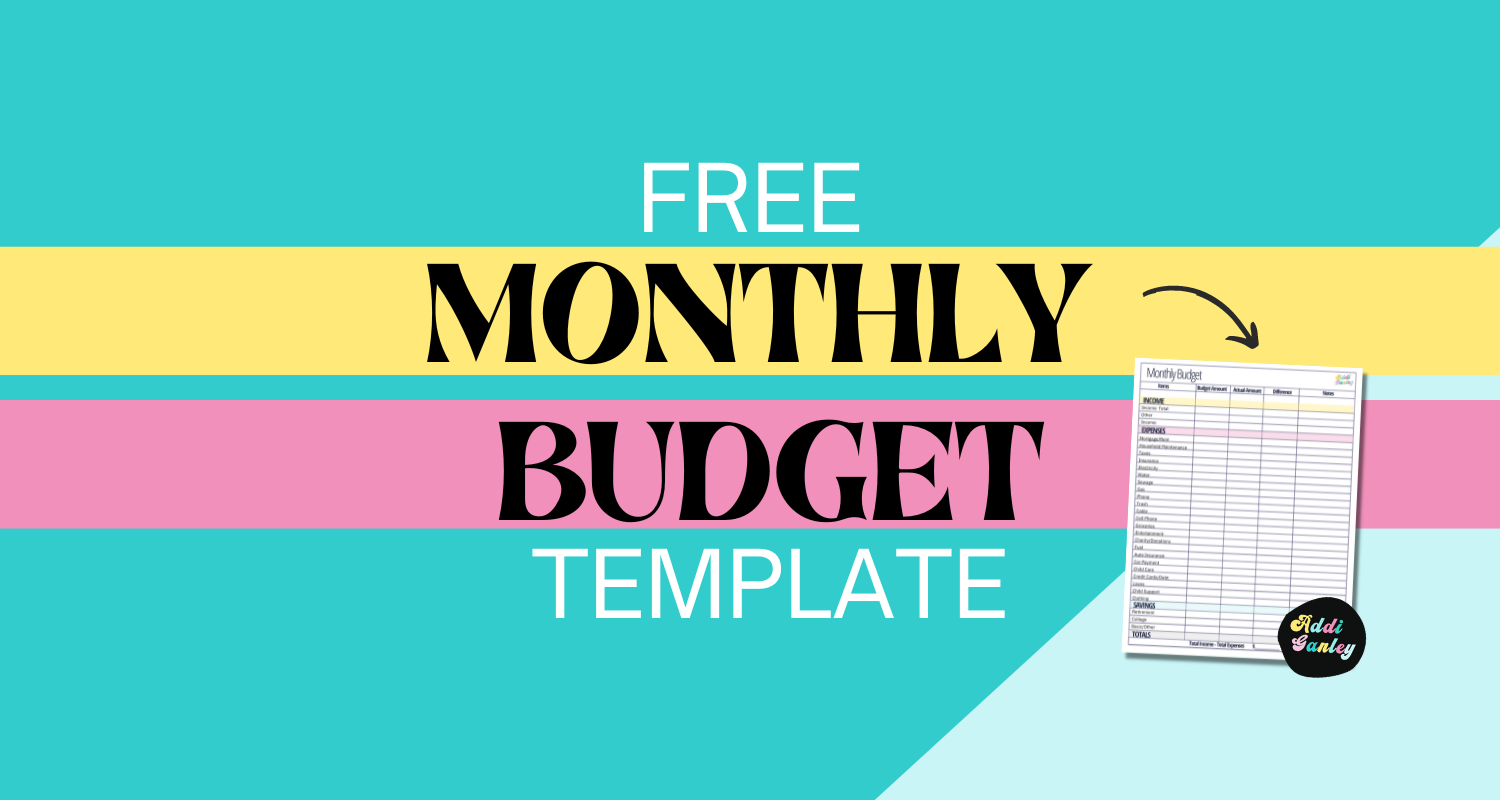
- Spreadsheets: Customizable Excel or Google Sheets templates.
Using these tools can automate tracking and provide insights into your financial patterns.
Common Budgeting Mistakes to Avoid
When starting out, it’s easy to make errors that can derail your progress. Watch out for these mistakes:
- Setting unrealistic goals or budgets.
- Ignoring irregular expenses like annual insurance payments.
- Failing to adjust your budget as your financial situation changes.
- Neglecting to build an emergency fund.
- Over-relying on credit cards to cover expenses.
Comparison of Popular Budgeting Methods
| Method | Best For | Pros | Cons |
|---|---|---|---|
| 50/30/20 Rule | Beginners seeking simplicity | Easy to follow, flexible | May not suit complex finances |
| Envelope System | People who overspend on variable expenses | Controls spending, tangible cash usage | Less convenient in digital age |
| Zero-Based Budget | Detail-oriented budgeters | Maximizes every dollar, precise | Time-consuming to maintain |
Key Takeaways
- Start by understanding your full financial picture.
- Set clear, achievable goals aligned with your budget.
- Choose a budgeting method that fits your lifestyle.
- Track expenses consistently to maintain control.
- Leverage budgeting tools to simplify the process.
- Avoid common pitfalls like unrealistic budgets and ignoring irregular costs.
Conclusion
Mastering the best budgeting strategies for beginners empowers you to take charge of your financial future. By following the step-by-step approach outlined here and using reliable tools, you will build a sustainable budgeting habit that supports your goals and improves your financial well-being. Remember to review and adjust your budget regularly as your circumstances evolve. For more detailed financial guidance, you can visit the Federal Reserve or explore additional resources on NerdWallet. For further assistance, feel free to visit our About page or Contact us anytime.
FAQs
Is best budgeting strategies for beginners a good idea in 2026?
Yes, adopting the best budgeting strategies for beginners remains highly effective in 2026. As financial landscapes evolve, budgeting continues to be a fundamental skill for managing expenses, saving money, and planning for the future.
What is best budgeting strategies for beginners and how does it work?
The best budgeting strategies for beginners are practical methods designed to help you plan and control your spending. They work by tracking your income and expenses, categorizing spending, and setting limits to ensure you live within your means and meet your financial goals.
How do I qualify for best budgeting strategies for beginners?
There is no qualification needed to implement budgeting strategies. Anyone can start budgeting by evaluating their income and expenses and selecting a method that suits their financial situation.
How long does approval usually take?
Since budgeting strategies are self-managed, no approval process is required. You can begin implementing them immediately.
What mistakes should I avoid?
Avoid setting unrealistic budgets, neglecting to track irregular expenses, failing to update your budget with changes in income or costs, and relying too heavily on credit without planning repayments.
How can I reduce the interest rate or total cost?
While budgeting itself doesn’t directly affect interest rates, managing your budget well can help you reduce debts faster, improving your credit score and eligibility for lower interest rates on loans or credit cards.
What are the best alternatives to best budgeting strategies for beginners?
Alternatives include professional financial advising, automated saving plans, or using advanced financial planning software. However, these usually complement rather than replace fundamental budgeting strategies.
What documents do I need?
You should gather pay stubs, bank statements, bills, loan statements, and receipts to get a comprehensive view of your income and expenses when starting your budget.